Back to School With Confidence: Essential First Aid Tips Every Victorian Parent, Carer and Teacher Should Know
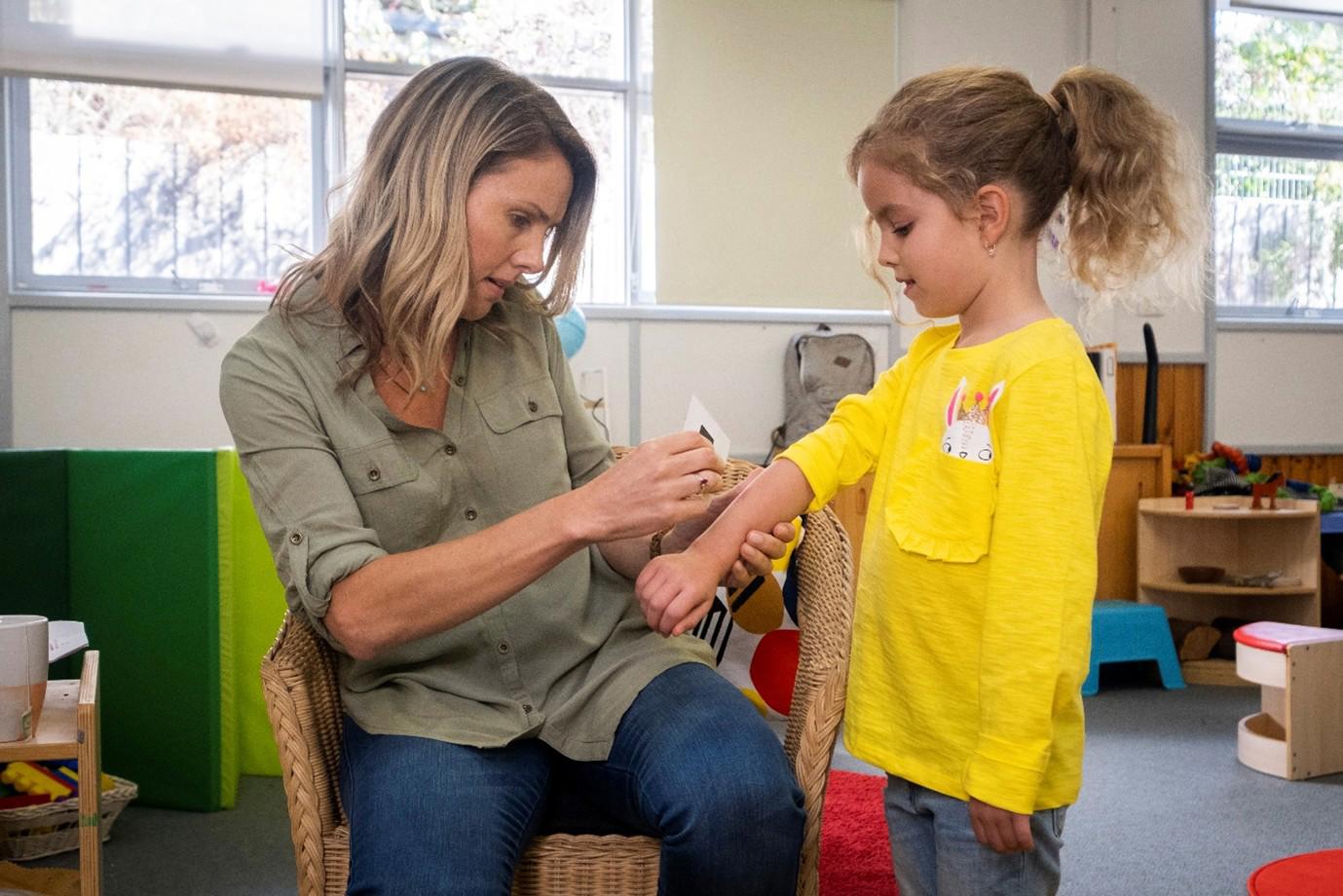
As we head into another school year in Victoria, parents are juggling uniforms, school supplies and all the excitement (and nerves!) that come with sending kids back to class. But there is one thing that should be on every parent’s must-do list before school resumes, being prepared with essential first aid knowledge.
At St John Ambulance Victoria, we know that a little preparation can make a big difference in keeping our kids safe at school, at sporting events, on the playground and out in the sun. Every year in Victoria, unintentional injuries, especially falls, are a major cause of hospitalisation for children, and many everyday incidents can be prevented or managed safely when parents and carers are equipped with the right information.
Why First Aid Matters at School
Injury is the leading cause of hospitalisation and a major cause of long-term disability for Victorian kids aged 0–14. In 2021–22 alone, around 62,500 children aged 0–14 were treated in hospital for injuries across Australia, a rate of roughly 1,300 hospitalisations per 100,000 children. Falls remain the most common cause of injury, particularly playground-related falls among primary school-aged children.
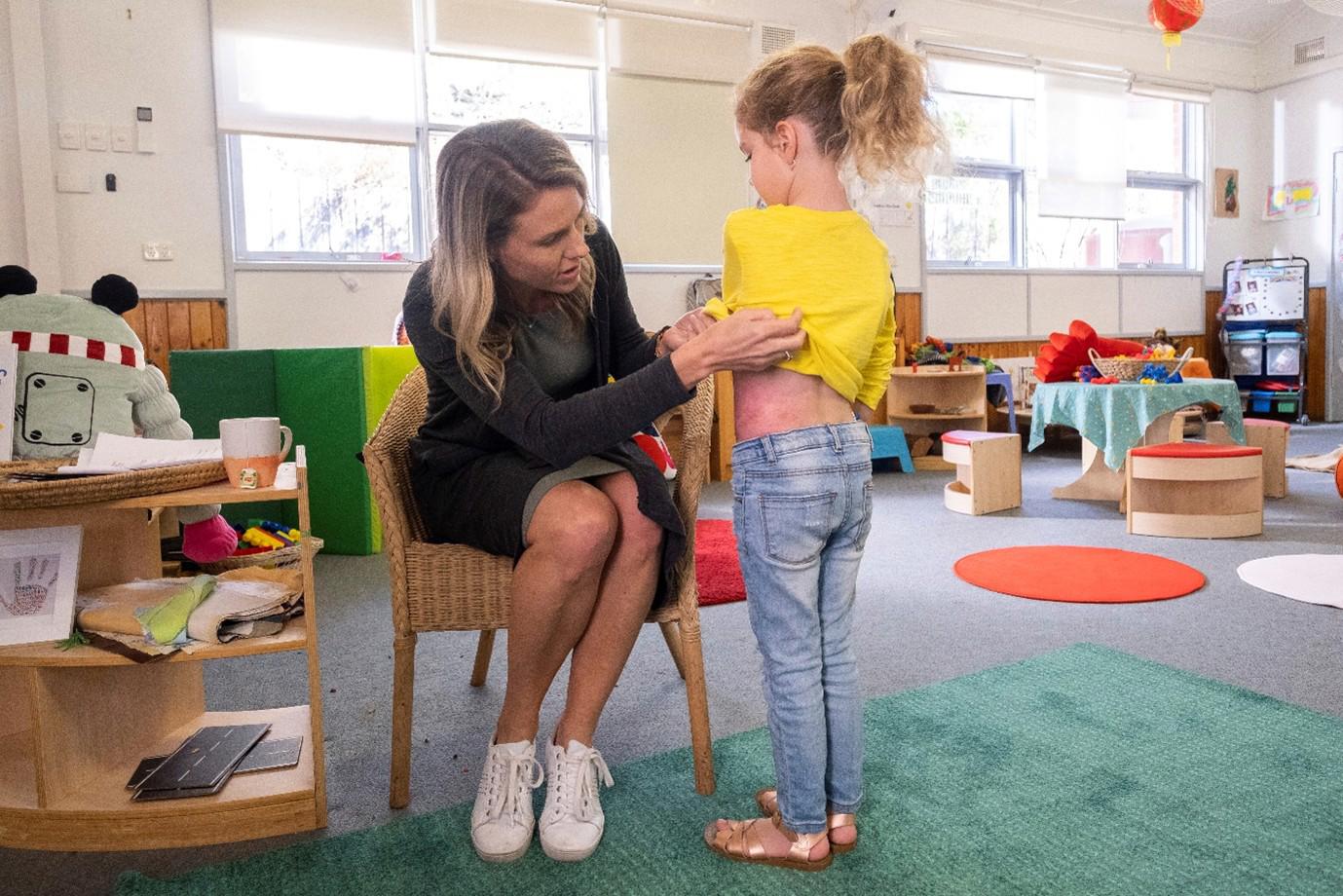
That’s where first aid counts. Knowing how to act quickly and confidently in the first few moments, whether it is a playground fall, allergic reaction or heat-related illness, not only helps keep children safe, but it also gives parents peace of mind.
Top Back to School First Aid Essentials
-
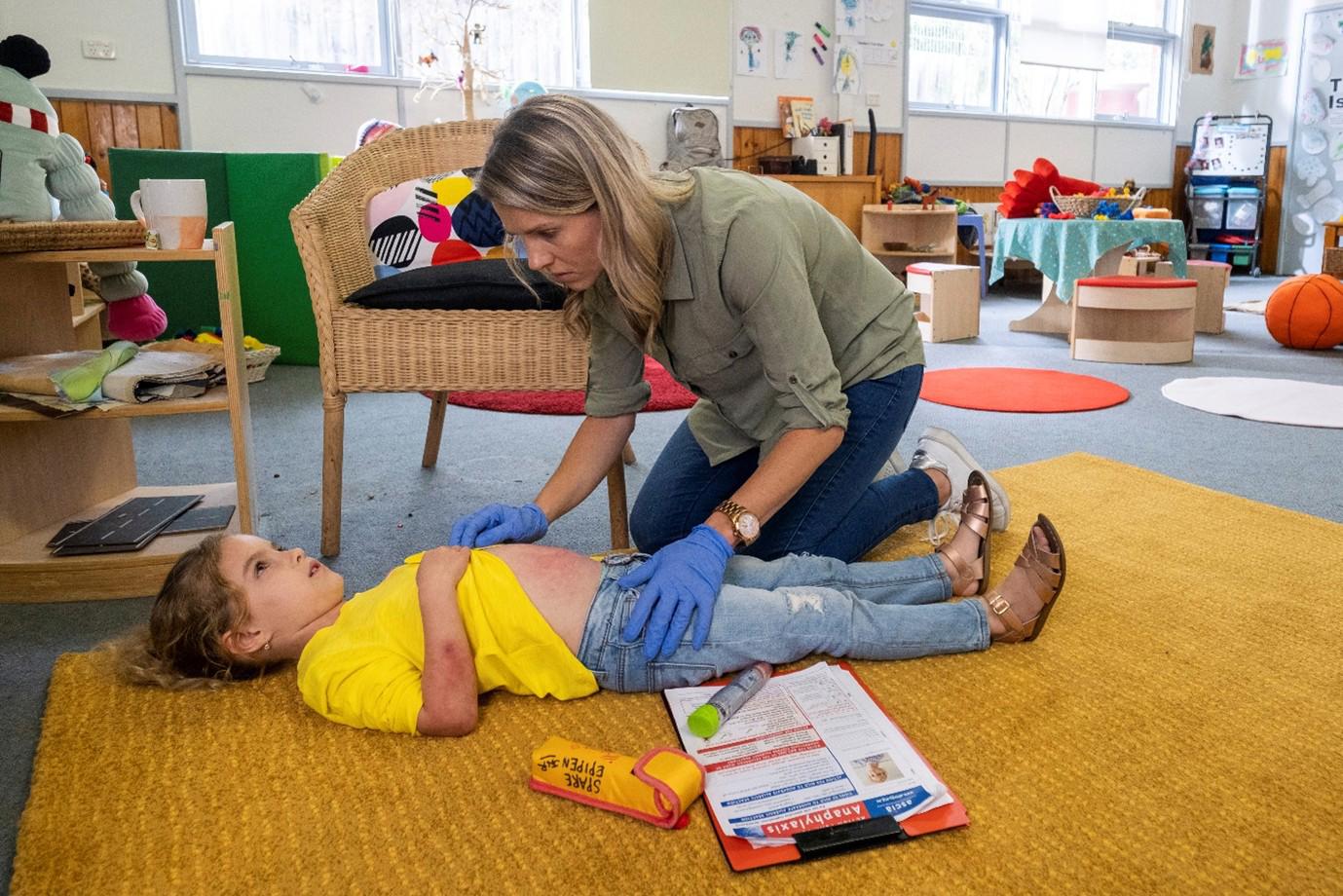
Be Allergy-Ready
Food allergies are increasingly common in Australian children. A Melbourne-based study has shown a high prevalence of allergic disease in early childhood, and serious allergic reactions (anaphylaxis) account for most child hospitalisations related to allergies.
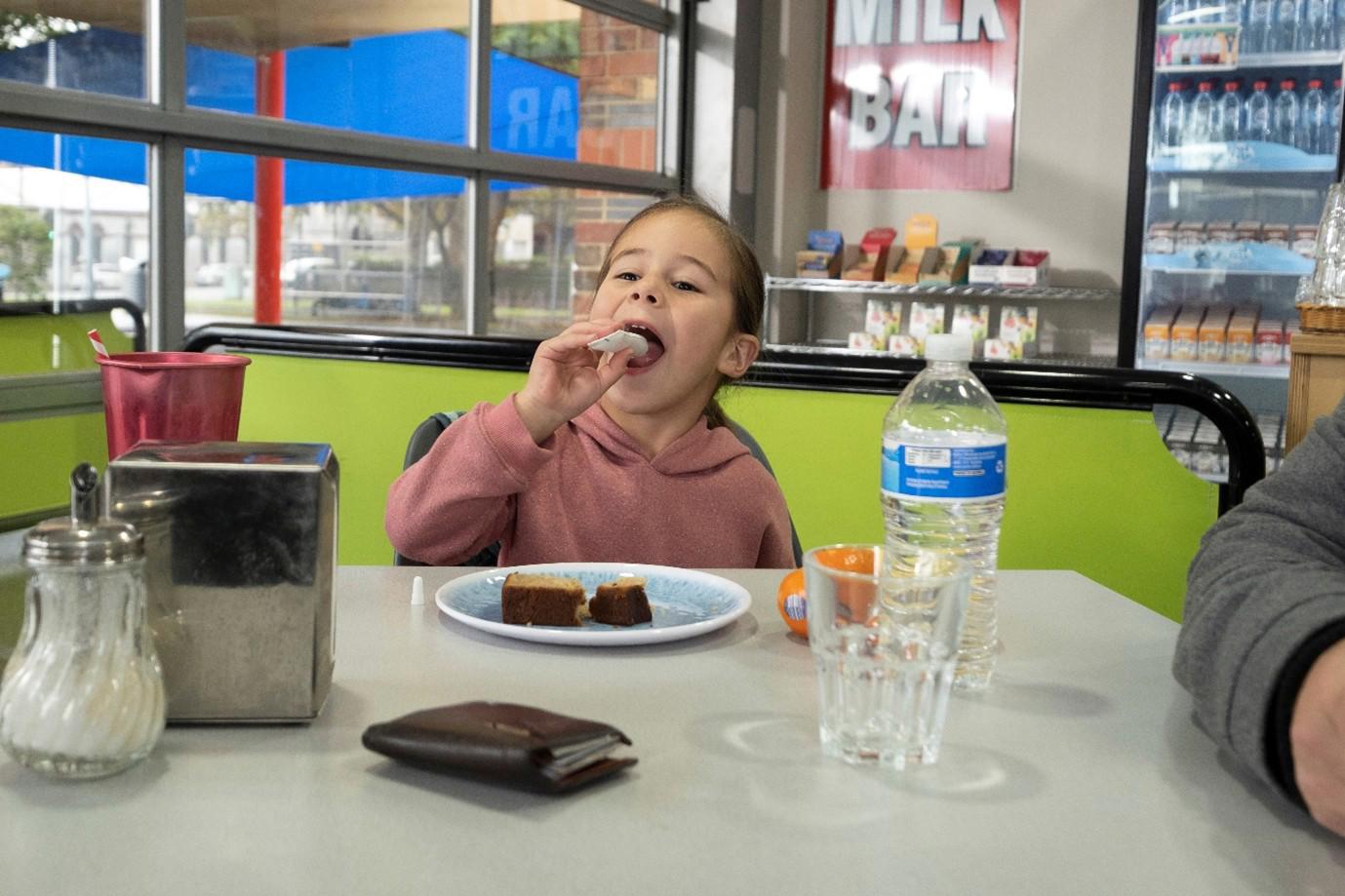
Tips for parents:
- Ensure your child’s action plan and any EpiPens are up to date, clearly labelled and accessible.
- Share allergy information and action plans with your child’s school ahead of time.
- Teach your child to recognise early signs of a reaction, such as itching, swelling or difficulty breathing, appropriate to their age.
Anaphylactic reactions can escalate quickly, so knowing how and when to use an auto-injector is lifesaving.
-
Playground Smarts and Common Injuries
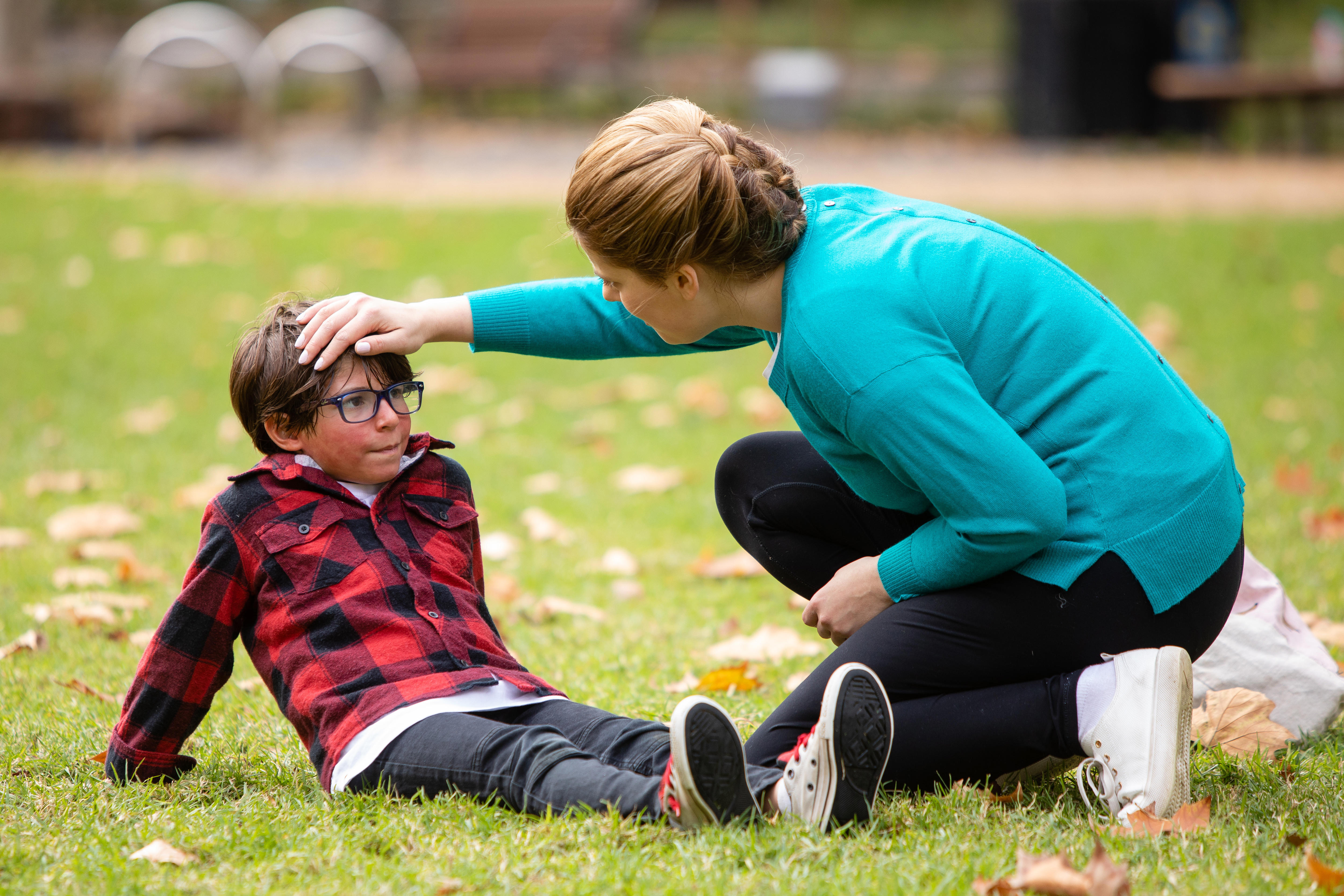
Playgrounds are brilliant for play and social development, but they are also a common setting for falls, bumps and scrapes. Head injuries and fractures are among the typical injuries we see from playground equipment, often among younger primary school students.
What parents should know:
- Supervise wherever possible, and trim long nails or loose drawstrings that can snag.
- Encourage age-appropriate use of equipment (e.g. younger kids stick to lower structures).
- Have a basic first aid kit at home and in the car with essentials like antiseptic wipes, bandages and cold packs.
When to seek medical help:
Loss of consciousness, persistent vomiting, noticeable deformity, or ongoing confusion or drowsiness after a head impact are all signals to get professional help or call Triple Zero (000).
-
Summer Sun, Hydration and Heat Safety
Victoria’s school year starts in the middle of summer, and with record hot spells becoming more common, heat-related illness is a real risk. Staying hydrated, using sunscreen and taking breaks in shade are simple but powerful ways to protect kids.
Water + Sun Safety Checklist:
- Pack a refillable water bottle and encourage kids to sip regularly, even if they say they are not thirsty.
- Apply broad-spectrum SPF 30+ (or higher) sunscreen before school and remind older kids to reapply if they are outdoors.
- Dress children in light, breathable fabrics and hats with brims.
- Be alert for signs of heat stress: dizziness, headache, nausea, confusion or pale, clammy skin.
If a child shows worsening signs of heat-related illness (very high body temperature, confusion, rapid pulse), call 000 immediately, these types of illnesses can escalate rapidly.
-
Everyday First Aid Basics Every Parent, Carer and Teacher Should Know
Whether it is a short game or physical activity in the school yard, classroom mishap or Friday afternoon adventure, the basics of first aid are something every parent, carer, and teacher should feel confident about.
Quick-to-learn essentials:
- DRSABCD — the fundamental approach to emergency first aid (Danger, Response, Send for help, Airway, Breathing, CPR, Defibrillation).
- How to treat minor cuts and grazes: clean, dress and monitor for signs of infection.
- How to recognise and respond to choking, especially for younger kids.
- When to apply cold therapy for sprains or bruises.
St John Ambulance Victoria offers a range of first aid courses and resources designed to build confidence and skills for everyday situations, including online resources and community programs.
This Back to School season, being prepared isn’t just about stationery and school hats, it’s about confidence, knowledge and readiness to act when it matters most. When stocking up for the school year, including a small emergency first aid kit in older children’s backpacks or a portable carabiner first aid kit clipped onto their bag will give them handy access to the essentials like bandages so they can quickly help when it comes to the little cuts and bumps.
First aid skills bring families peace of mind, and they strengthen our whole community. Whether it is a minor scrape or an urgent medical event, those first few minutes matter. Equip yourself with the knowledge and tools to keep your children safe and thriving this school year.
For courses to suit you, and access to programs like the Hero Academy holiday program, visit https://www.stjohnvic.com.au/for-individuals-families/ and make first aid part of your family’s routine.

Winter School Holiday First Aid Tips: Ensuring Safety While Having Fun
School holidays are an exciting time for children and their families. It's a chance to unwind, explore new activities, and create lasting memories.

Caring for Babies and Kids
Designed for parents and carers. Learn to manage basic first aid situations specific to babies and kids up to 7.

From Celebration to Crisis: How Paul Saved Chloe’s Life at a Family Party
At a family birthday party took a frightening turn that would test the spirit of everyone present.