First Aid for Severe Bleeding: How Tourniquets Can Save a Life
Recent shark attacks along the NSW coastline have prompted renewed conversations about first aid, particularly how bystanders can help in the critical moments following a severe injury.
While shark encounters are extremely rare, they often result in catastrophic bleeding, especially to the arms or legs. In these situations, rapid blood loss is the greatest immediate threat to life. Knowing how to respond, and when advanced bleeding control techniques are needed, can make a life-saving difference.
At St John Ambulance Victoria, we teach Australians how to recognise and respond to life-threatening bleeding, whether it happens at the beach, on the road, at work or at home.
Why severe bleeding is so dangerous
Severe bleeding can cause a person to lose a critical amount of blood within minutes. Injuries involving large blood vessels, such as those caused by shark bites, boating accidents, machinery or major trauma, can overwhelm the body very quickly.
In first aid, stopping the bleeding becomes the immediate priority when blood loss is severe. If bleeding isn’t controlled, the person can go into shock and lose consciousness rapidly.
The first step: direct pressure
In most bleeding emergencies, direct pressure is the most effective and appropriate first response.
This means:
- Applying firm pressure directly over the wound using your hands, a dressing, or any clean cloth
- Maintaining that pressure continuously
- Laying the person down if possible and keeping them still
In many cases, direct pressure alone is enough to control bleeding until emergency services arrive.
When a tourniquet may be needed
There are situations where bleeding is so severe that pressure alone isn’t enough, particularly when an artery has been damaged or a limb has suffered major trauma.
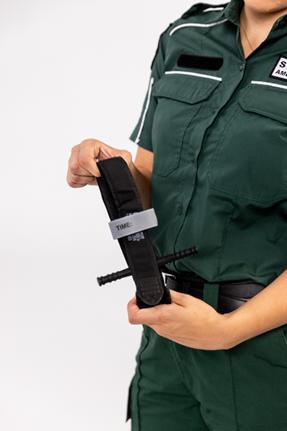
In these rare but critical cases, a tourniquet may be required to stop life-threatening bleeding from an arm or leg. This includes injuries such as:
- Shark attacks or serious marine injuries
- Partial or complete amputations
- Severe cuts from machinery or propellers
- Major trauma where bleeding cannot be controlled by pressure
Tourniquets are not for minor wounds. They are a last-line measure used only when bleeding is uncontrollable and life-threatening.
Cautions
- Application of a tourniquet implies a high priority emergency. Ensure Triple Zero (000) has been called.
- Do NOT remove the tourniquet.
- Use a commercially available tourniquet and apply in accordance with the manufacturer’s instructions.
- Apply the tourniquet directly to the skin.
- Do NOT apply over a joint or wound, clothing or wet suits.
- Do NOT cover the tourniquet with any bandages or clothing.
What to do - Using a tourniquet safely
If you have been trained and a tourniquet is available:
- Follow DRSABCD. Call Triple Zero (000) for an ambulance.
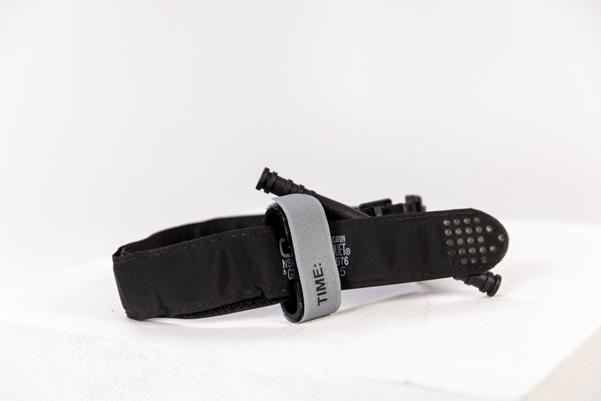
- Wrap the strap around the bleeding limb, pulling the red tip through the buckle, or pass the loop of the strap over the injured limb.
- Position the tourniquet 5–8 cm (about 3-fingers-width) above the bleeding site, directly to the skin. It can be safely applied to forearm, upper arm, leg and thigh.
- Pull the strap tight and fasten it back on itself all the way around the limb, but not over the windlass clips.
- Twist the windlass until the bleeding has stopped. Warn the conscious patient that this will cause severe pain.
- Secure the windlass inside the clips to keep it in place.
- Pass the strap over the clips and the windlass. Wrap the white TIME strap over the main strap.
- Check that the bleeding has stopped and that the pulse is absent. (The part of the limb on the far side of the tourniquet will become cold to touch and dusky in colour; there will be no pulse at their wrist or foot. This is normal, and the tourniquet should not be removed.)
- If the bleeding does not stop, check the position of the tourniquet and how it has been applied.
- If bleeding continues, a second tourniquet (if available) should be applied to the limb, preferably above the first.
- Record the time of the application on the white TIME strap.
- Ensure an ambulance has been called – Triple Zero (000), as prolonged use of a tourniquet can starve tissues of blood and cause them to die.
Once applied, a tourniquet should remain in place until it can be managed by paramedics or hospital clinicians.
If you are not trained or unsure, continue applying firm pressure and seek emergency help immediately.
Training builds confidence when seconds count
Tourniquets are highly effective, but only when used correctly and at the right time. That’s why first aid training is so important. Courses run by St John Ambulance Victoria teach people how to:
- Recognise life-threatening bleeding
- Apply pressure effectively
- Understand when advanced bleeding control methods may be needed
- Act confidently in high-stress emergencies
Preparedness saves lives — anywhere
Shark attacks capture national attention, but severe bleeding emergencies happen far more often on land, at workplaces, on roads, during sport, and in everyday accidents.
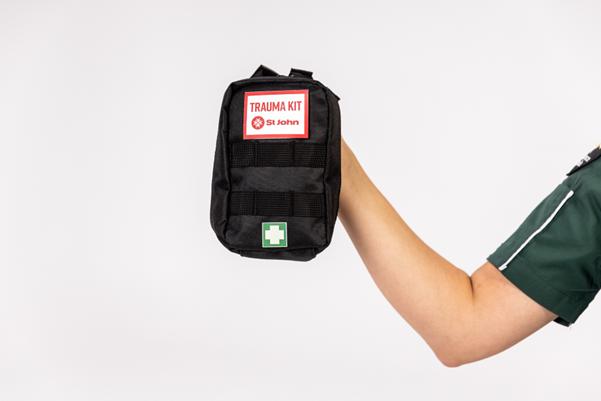
Knowing how to stop severe bleeding is a powerful skill that empowers everyday Australians to help protect their communities. Having a properly equipped Trauma IFAK kit, including trauma bandages, tourniquet and chest seals, means you are prepared with the essentials for major bleeding situations.
At St John Ambulance Victoria, we believe that first aid knowledge saves lives, and bleeding control is one of the most critical skills you can have.
Learn more about first aid training with St John Ambulance Victoria and be ready to act when it matters most. Visit: https://www.stjohnvic.com.au/first-aid-training/first-aid-courses/
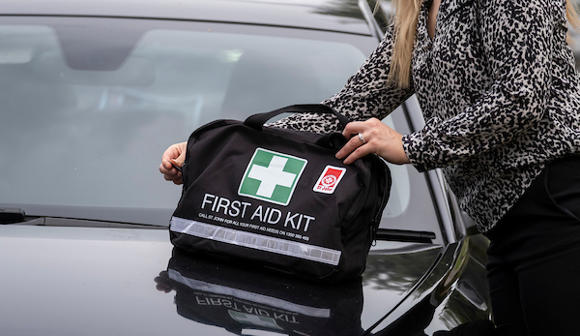
First Aid Products
Trusted Australia wide in homes, workplaces, on the road and by St John Volunteers, you can rely on our range of kits, components, defibrillators, accessories and other equipment to respond in an emergency.

How to Stop Bleeding – 16 Do’s & Don’ts
The sight of blood is alarming for most people. In fact, many people will even faint or become sick at the sight of blood.
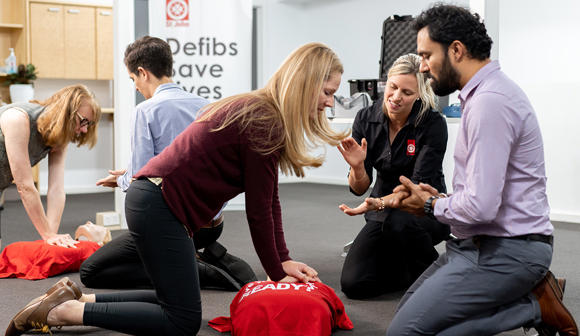
First Aid Training
St John is Victoria's leading provider of First Aid Training and Mental Health First Aid Training, both face-to-face and online.